Would you like to switch to the accessible version of this site?

Go to accessible site Close modal window

Don't need the accessible version of this site?

Hide the accessibility button Close modal window
Accessibility View Close toolbar
Menu
  • Home
  • About Us
    • Our Team
    • Our History
  • Patient Center
    • Insurance & Payments
    • Community Content
  • Services
  • Glasses
    • Men's Frames
    • Women's Frames
    • Children's Frames
    • Sunglasses
    • Accessories
    • Types Of Lenses
  • Contact Lenses
    • Daily Disposable Wear
    • Bi-Weekly and Monthly Wear
    • Daily/Annual Wear Lenses
  • Appointment Request

Call Us Today

(765) 289-4727

  • Home >
  • Articles >
  • We Can Help With >
  • Corneal Disorders >
  • Disorders >
  • Pterygium

Pterygium

  • Created in We Can Help With, Corneal Disorders, Disorders
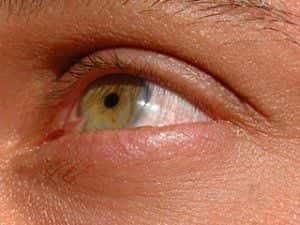
pink tissue growth on left eye

Pterygium is characterized by a pink tissue growth on the sclera (the white part of the eye), which seems to be the result of chronic exposure to ultraviolet light. In fact, because many surfers suffer from pterygium, the condition is often called surfer’s eye. Pterygium is not cancerous and may continue to grow gradually or stop growing after a certain point. If symptoms are mild, the condition does not require treatment. However, if the condition starts to interfere with vision, treatment may become necessary.

Pterygium Cause and Symptoms

A pterygium is spurred on by exposure to the sun and wind. For this reason, the condition is often referred to as surfer's eye. Pterygia often cause a foreign body sensation and can become red and swollen. When a pterygium grows large enough, it can distort the shape of the eye, causing astigmatism and visual acuity problems.

Pterygium Diagnosis and Treatment

An eye care professional will make a diagnosis based on a close observation with a slit lamp. Pterygium treatment depends on the severity of symptoms, whether the pterygium is growing, and its causes. Mild cases can be treated with steroid eye drops. Severe cases require surgical removal, usually performed in the doctor's office with local anesthetics. To prevent regrowth, an eye care provider might perform an autologous conjunctival autografting.

  • Common Eye Conditions
    • Age-Related
    • Cognitive and Acquired
    • Vision Impairment
    • Injury & Irritation
    • Eye Lids
    • Changes in Appearance
  • Contact Lenses
  • Eye Diseases
  • Eyeglasses
    • Eyeglass Lenses
  • Eye Symptoms
  • How the Eyes Work
    • Basic Visual Skills
  • Pediatric Vision
  • Protecting Your Eyes
  • Visual Rehabilitation
  • Vision Problems
  • What is Vision Therapy
  • Vision Therapy Programs
  • We Can Help With
    • Cataracts
    • Corneal Disorders
      • Disorders
    • Glaucoma
    • Refractive Disorders
    • Adult Strabismus
    • Retinal Disorders
  • Newsletters
    • Glasses & Frames
    • Contacts
    • Tips for Healthy Eyes
    • Conditions That Affect Vision
    • Kid's Vision
    • Amazing, Interesting Eyes
    • Medical Perspectives

Locations

Find us on the map

Hours of Operation

Our Regular Schedule

Office Hours

Monday:

8:00 am-5:00 pm

Tuesday:

8:00 am-5:00 pm

Wednesday:

8:00 am-5:00 pm

Thursday:

8:00 am-5:00 pm

Friday:

8:00 am-5:00 pm

Saturday:

8:00 am-12:00 pm

Sunday:

Closed

Kregg Koons, O.D.

Call Us Today!

(765) 289-4727

Location
Request Appointment
  • Copyright © 2026 MH Sub I, LLC dba iMatrix.
  • Admin Log In
  • Site Map